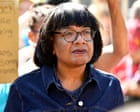
Labour Defeats Reform in Greater Manchester Mayor Byelection
Labour candidate Bev Craig wins Greater Manchester mayoral byelection decisively, succeeding Andy Burnham and reclaiming support lost to Reform UK and Greens.

Labour Achieves Commanding Victory in Greater Manchester Mayoral Byelection
The Greater Manchester mayoral byelection has delivered a resounding triumph for the Labour Party, with candidate Bev Craig securing a commanding mandate to lead one of Britain's most influential metropolitan areas. This decisive result marks a significant recovery for Labour in regions where opposition parties had made inroads during previous electoral contests.
Craig, who currently serves as leader of Manchester City Council, will assume the mayoral office previously held by Andy Burnham, positioning her to wield considerable political influence across the ten boroughs that comprise Greater Manchester. The victory in the Greater Manchester mayoral byelection demonstrates Labour's capacity to rebuild electoral support in constituencies where alternative parties had gained ground.
Reclaiming Lost Ground Across the Region
The byelection results reveal that Labour has successfully reversed setbacks experienced during May's electoral cycle, when Reform UK and the Green Party had captured support in various local areas. The party's performance indicates a consolidation of voter confidence following what had appeared to be a period of vulnerability in traditionally Labour-held territories.
The turnaround reflects Labour's strategic repositioning and renewed engagement with constituents in communities that had demonstrated openness to alternative political movements. Bev Craig's campaign effectively addressed concerns that had driven voters toward Reform and Green candidates, restoring the party's electoral standing in critical strongholds.
Bev Craig's Path to Power
Craig's appointment as successor to Andy Burnham elevates her to a role commanding substantial resources and policy-making authority across Greater Manchester's diverse communities. As Manchester City Council leader, she had established a profile focused on urban development, public services, and local governance initiatives that resonated with metropolitan voters.
Her victory in the Greater Manchester mayoral byelection represents validation of her leadership approach and endorsement of Labour's broader vision for the region's future. The scale of her electoral success suggests strong support extending beyond traditional Labour constituencies into areas previously contested by rival parties.
Strategic Implications for Labour's Recovery
This electoral outcome carries significant strategic implications for the Labour Party's broader electoral prospects. The decisive nature of the victory demonstrates that voter movements toward opposition parties witnessed earlier in the year are not irreversible, and that Labour retains capacity to mobilize decisive support through effective campaigning and locally-rooted leadership.
The result provides Labour with momentum heading into future electoral contests and suggests that concerns about party positioning and voter confidence may have been overstated. Greater Manchester's importance as a bellwether region means its electoral patterns frequently influence calculations about national political trends.
Reform UK's Electoral Reversal
Reform UK's inability to consolidate gains made during May's elections underscores the distinction between protest voting in local contests and support for candidates in higher-profile mayoral competitions. The party's retreat in Greater Manchester indicates that broader electoral appeal remains constrained, particularly in contests where established parties like Labour mount robust campaigns.
The Greater Manchester mayoral byelection result demonstrates that Reform's recent advances, while significant, have proven vulnerable when tested through direct electoral competition for senior positions. This pattern suggests that voter dissatisfaction, though real, has not translated into sustained commitment to alternative political movements.
Green Party Performance and Electoral Dynamics
The Green Party, which had also secured gains during May's electoral contests, similarly failed to consolidate support in the mayoral byelection context. The contest's focus on mayoralty-level authority and metropolitan governance appears to have shifted voter calculations compared to local council elections.
This divergence between local and mayoral electoral patterns highlights the complexity of contemporary political alignments, where voters frequently employ different calculi depending on contest type and the authority levels at stake.
Looking Forward
Bev Craig's assumption of the mayor's office initiates a new chapter in Greater Manchester governance. Her priorities will likely include addressing economic development, transport infrastructure, public service coordination, and regional growth initiatives that have defined the mayoral role since its establishment.
The Greater Manchester mayoral byelection outcome suggests that Labour's electoral challenges, while real in specific contexts, do not represent terminal decline. The party's ability to recover support in competitive contests provides encouragement for future electoral campaigns and indicates that voter bases remain responsive to targeted political messaging and leadership quality.