Trident Modernisation Drives UK Defence Investment Strategy
Prime Minister emphasises Trident renewal as cornerstone of reindustrialisation plan, launching next phase of nuclear submarine programme in Barrow-in-Furness.
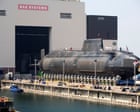
Trident Renewal Anchors Defence and Industrial Policy
Trident renewal has become central to the government's strategic vision for modernising Britain's defence infrastructure and revitalising local economies. The Prime Minister is positioning the Trident modernisation programme as a flagship example of how substantial defence investments can simultaneously strengthen national security and generate sustainable economic growth across regions dependent on advanced manufacturing sectors.
During a significant visit to Barrow-in-Furness, the government will formally advance the next phase of the nuclear submarine replacement initiative. This announcement underscores the administration's commitment to maintaining Britain's continuous at-sea deterrent while simultaneously demonstrating tangible benefits for communities hosting these critical defence projects.
£31 Billion Investment in Dreadnought-Class Submarines
The Dreadnought-class submarine programme represents a £31 billion investment spanning multiple years. These advanced nuclear-powered vessels, constructed in the Cumbrian shipyard, embody cutting-edge naval engineering and represent one of the most significant defence procurement projects undertaken by the UK government in recent decades.
Each submarine in this class incorporates sophisticated technological systems designed to maintain Britain's strategic deterrent capabilities well into the latter half of the twenty-first century. The construction programme extends across several years, ensuring sustained employment and skills development within the shipbuilding sector.
Community Regeneration Through Defence Spending
Government officials argue that Trident renewal exemplifies how defence expenditure functions as a legitimate economic development tool. The shipbuilding facilities in Barrow-in-Furness employ thousands of skilled workers, from engineers and technicians to project managers and support personnel. The ancillary supply chain extends across numerous smaller companies and specialist contractors throughout the region.
This employment ecosystem generates substantial tax revenues, supports local retail and service sectors, and provides career pathways for young people entering technical professions. The government frames defence spending on major platforms like submarines as an investment in community prosperity rather than merely budgetary allocation.
Strategic Importance of Continuous Deterrent Capabilities
The modernisation of Trident systems addresses evolving global security challenges and technological advancement. Maintaining a credible, continuous at-sea deterrent requires periodic replacement of aging platforms with technologically superior vessels capable of operating effectively throughout the twenty-first century.
The Dreadnought-class submarines incorporate numerous innovations in stealth technology, propulsion systems, and detection avoidance mechanisms. These capabilities ensure that Britain's nuclear deterrent remains credible against adversaries employing increasingly sophisticated detection and tracking methodologies.
Reindustrialisation Strategy and Manufacturing Excellence
The broader context for this announcement reflects the government's reindustrialisation agenda. Policymakers emphasise that advanced manufacturing sectors, particularly defence shipbuilding, represent pillars of sustainable economic renewal. Unlike service-sector dominated growth strategies, manufacturing-centred development creates stable, well-compensated employment opportunities and builds technological expertise within regional economies.
Barrow-in-Furness exemplifies this model. The town's economy became historically dependent on shipbuilding, and the current Trident renewal programme ensures continuation of this industrial tradition. Workers acquire specialised skills in nuclear engineering, advanced materials science, and sophisticated manufacturing processes that create competitive advantages in global markets.
Political Messaging and Economic Credibility
The Prime Minister's visit to Barrow-in-Furness during the formal announcement serves multiple political objectives. It demonstrates government commitment to communities dependent on defence industries. It signals stability and long-term strategic thinking regarding national security investments. It frames defence spending within an economic development narrative rather than purely as security expenditure.
This messaging strategy acknowledges public concerns regarding government investment priorities by presenting defence spending as economically beneficial rather than merely necessary for security purposes. The government contends that modern security and economic prosperity are intertwined rather than competing priorities.
Conclusion
The emphasis on Trident renewal represents a significant statement regarding government priorities. By elevating this announcement to prime ministerial level and connecting it explicitly to reindustrialisation objectives, policymakers signal that nuclear deterrent modernisation constitutes a cornerstone of broader economic strategy. The £31 billion Dreadnought-class programme will sustain skilled employment, maintain technological excellence, and generate regional economic benefits while ensuring Britain's strategic deterrent capabilities remain credible throughout coming decades.