Can FIFA Survive Without UEFA's World Cup Participation?
UEFA threatens World Cup boycott as Concacaf rejects Infantino's funding plan. Discover the implications for FIFA and its president's future in this analysis.
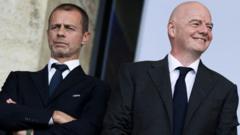
UEFA Threatens Unprecedented World Cup Boycott
The FIFA World Cup faces an unprecedented crisis following UEFA's dramatic threat regarding World Cup participation and Concacaf's rejection of Gianni Infantino's funding proposal. These developments have sent shockwaves through the international football community, raising critical questions about the organization's future and leadership stability.
In a striking turn of events, European football's governing body has signaled its willingness to reconsider involvement in football's premier tournament. This extraordinary position represents one of the most significant challenges FIFA has encountered in recent years. The rejection by the North American, Central American, and Caribbean confederation of proposed financial arrangements has intensified existing tensions within the global football structure.
The Funding Proposal Rejection and Its Implications
Concacaf's decisive rejection of Infantino's funding initiative marks a pivotal moment for FIFA's administrative authority. The proposal was designed to address financial concerns across multiple confederations, yet it failed to secure consensus among key stakeholders. This rejection underscores deeper divisions within international football governance.
The financial framework presented by Infantino's administration aimed to redistribute resources across confederations, intending to strengthen football development globally. However, Concacaf representatives determined that the proposed terms did not adequately represent their confederation's interests and requirements. This disagreement reflects broader concerns about FIFA's decision-making processes and resource allocation strategies.
UEFA's Strategic Position and Concerns
Europe's leading football confederation has articulated serious reservations regarding FIFA's current trajectory. UEFA's World Cup boycott threat stems from multiple grievances, including governance transparency, financial equity, and scheduling decisions that impact domestic competitions. The confederation's willingness to take such drastic action demonstrates the gravity of its concerns.
The European confederation has long advocated for structural reforms within FIFA. These reforms would enhance democratic accountability, ensure fair financial distribution, and provide confederations with greater input on crucial tournament decisions. UEFA's ultimatum signals that European football leaders are prepared to escalate pressure if fundamental changes do not materialize.
Gianni Infantino's Leadership Under Scrutiny
FIFA's president faces mounting pressure from multiple directions as these crises unfold simultaneously. Infantino's ability to navigate these conflicts will determine not only his political survival but also FIFA's institutional credibility. His administration's proposals have failed to gain universal support, suggesting potential weaknesses in diplomatic approach and strategic planning.
Since assuming the presidency, Infantino has implemented various reforms and initiatives aimed at modernizing FIFA's operations. However, recent developments indicate that significant segments of the international football community believe his leadership has not adequately addressed their core concerns. The rejection of his funding plan by major confederations represents a tangible loss of confidence in his administrative vision.
Potential Consequences for World Cup Organization
Should UEFA proceed with a World Cup boycott, the tournament's viability would face serious challenges. European participation represents approximately one-third of participating nations in the World Cup format. The absence of European teams would fundamentally alter the competition's nature, prestige, and commercial viability.
Such a scenario would have far-reaching consequences beyond sporting concerns. Broadcasting revenues, sponsorship agreements, and tournament infrastructure planning would all require substantial restructuring. Host nations and FIFA's commercial partners would face unprecedented uncertainty regarding the tournament's successful execution.
What Happens Next: The Path Forward
The coming weeks will prove crucial for FIFA's leadership and the international football community. Negotiations between UEFA, Concacaf, FIFA, and other confederations must address the underlying issues driving current tensions. These discussions will likely focus on governance reform, financial equity mechanisms, and decision-making processes.
FIFA must demonstrate genuine commitment to addressing confederations' legitimate concerns. Simply rejecting criticism or refusing dialogue would likely escalate tensions further. Constructive engagement with all stakeholders, including UEFA and Concacaf, represents the most viable path toward resolution.
Infantino's presidency now hinges on his ability to forge compromise solutions that satisfy diverse interests within international football. Should negotiations fail and UEFA proceeds with boycott threats, FIFA would enter uncharted territory regarding competition legitimacy and organizational viability.
Broader Implications for International Football Governance
These events underscore persistent challenges in international football administration. The concentration of power within FIFA's presidency and executive committee has generated skepticism among major confederations. Structural reforms enhancing confederation representation and democratic participation appear increasingly necessary.
The current crisis provides an opportunity for comprehensive governance review. Whether FIFA's leadership will embrace such transformation remains uncertain. The decisions made in coming weeks will likely shape international football's administrative landscape for decades ahead.